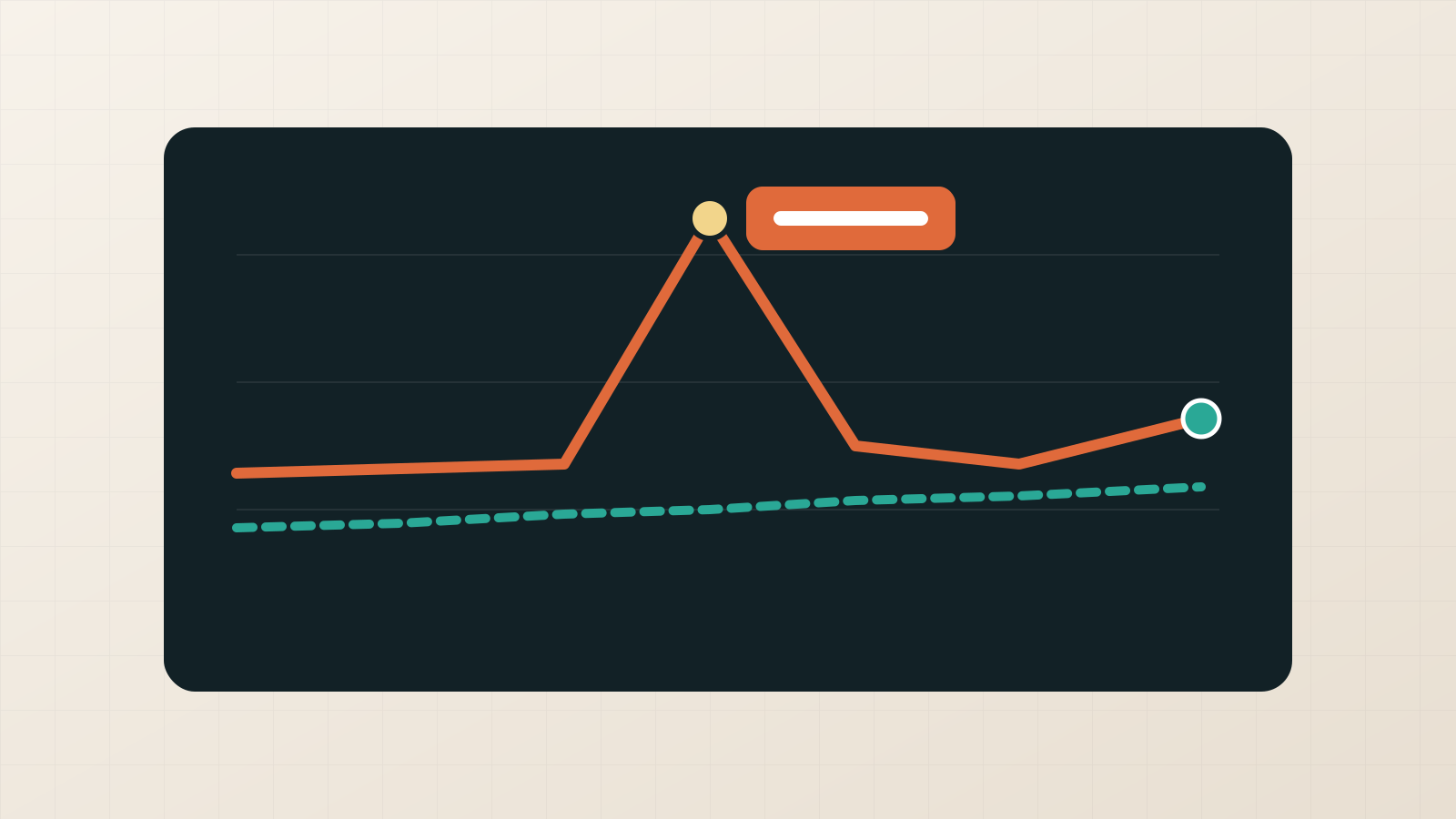
Decode dynamic repricing, inflated MRP anchor badges, and drip checkout fees using 90-day price history charts before every online purchase.
In this article
Modern e-commerce pricing is no longer set by a store manager printing paper tags once a quarter. Automated repricing algorithms adjust millions of listings dozens of times a week—reacting to competitor stockouts, search spikes, and upcoming holiday events.
When you land on a product page flashing “LIMITED TIME DEAL — 42% OFF” beside a ticking red timer, you are rarely looking at a clearance bargain. More often, you are looking at reference-price anchoring engineered to rush you through checkout before you check what the item actually sold for last Tuesday.
4 Algorithmic Pricing Traps (And How to Beat Each One)
| Model / Option | Best For | Key Verified Specs | Typical Price Range | Key Trade-off | Check Price |
|---|---|---|---|---|---|
| Pre-Sale Price Inflation ('Yo-Yo Pricing') | Always check 90-day median, never launch MSRP | Seller raises price 14–21 days pre-saleDrops back to normal street price on sale dayDisplays artificial 35–50% off badge | Saves 15% – 30% | + Instantly exposed by any 90-day price history chart − Fools 70%+ of shoppers who only glance at strikethrough MSRP | Check on Amazon |
| Derivative 'Sale-Exclusive' Model SKUs | TVs, laptops, and kitchen appliances during major sales | One-letter SKU suffix change on TVs & laptopsOften swaps IPS panel, HDMI ports, or dimmer backlightPrevents direct price-matching across retailers | Avoid Hidden Downgrades | + Easy to catch by comparing exact model strings letter-by-letter − Looks 100% identical in thumbnail photos | Check on Amazon |
| Coupon Clipping & Drip Checkout Fees | Appliances, furniture & high-ticket electronics | Headline price hides shipping, handling & EMI feesCheckbox coupons not reflected in comparison aggregatorsNo-Cost EMI forfeits instant upfront card discounts | Saves 5% – 15% | + Comparing final payment-screen totals exposes real winners − Requires clicking all the way to the final checkout step | Check on Amazon |
How to Read a 90-Day Price History Graph in 20 Seconds
Open any product in Keepa or CamelCamelCamel and ignore the single highest spike (that’s usually launch MSRP or a temporary stockout when third-party scalpers jacked the price). Instead, look for three horizontal bands:
- The Street Median: The flat horizontal line where the product sits 70% of the year. This is the real everyday price—never pay above it.
- The Recurring Sale Floor: Small dips that happen every 6 to 8 weeks (typically 10% to 15% below median).
- The True All-Time Low: Deep drops that occur during major seasonal events or right after a new generation is announced. If a current deal sits within 5% of the all-time low, it is a genuine green-light buy.
The “No-Cost EMI” & Bank Offer Math Check
Before clicking “No-Cost EMI” on a $800 laptop or smartphone, compare two numbers side by side:
- Upfront Card Discount Price: Often knocks $60 to $100 straight off the invoice with zero bank processing fees.
- No-Cost EMI Effective Cost: Even when the merchant discounts the interest component upfront, your bank still charges processing fees ($3–$10) plus GST/tax on the monthly interest portion—frequently making “No-Cost” EMI cost 3% to 6% more than paying upfront when you have the cash.
✓ What We Like (Pros)
- Checking 90-day price history takes under 20 seconds and eliminates impulse buyer's remorse
- Waiting 2–4 weeks after a flagship launch routinely drops the previous generation to its true value floor
- Verifying exact SKU letters protects you from stripped-down holiday doorbuster hardware
✕ What to Watch Out For (Cons)
- Flash-sale countdown timers exploit urgency bias—if you were not researching the product yesterday, it is not a bargain today
Final Verdict: Your 60-Second Pre-Checkout Habit
Every time you are tempted by a flashy discount banner, pause for 60 seconds: check the 90-day chart, confirm the exact model SKU letter-for-letter, and compare the final checkout total against one rival store. That single habit quietly saves most households $300 to $800 every year without clipping a single paper coupon.
Frequently Asked Questions
Why does a product show '45% OFF' during a big sale when the final price looks familiar?
Many sellers quietly raise the listing price—or switch the strikethrough reference back to original launch MSRP—two to three weeks before a major sale event, making the everyday street price look like a dramatic markdown.
What is the best way to check if a discount is genuinely a 90-day low?
Check an independent 90-day and 1-year price history graph (such as Keepa or CamelCamelCamel) and compare the current checkout price against the historical median rather than the red strikethrough percentage.
Are 'No-Cost EMI' financing offers truly free?
Rarely. Banks still charge processing fees and tax on the interest component, and opting for EMI frequently forfeits instant upfront cash-card discounts—making upfront payment cheaper when you have the funds.
Do e-commerce sites really change prices based on my browsing history or device?
Dynamic repricing bots constantly adjust prices based on competitor inventory, demand velocity, zip code, and regional fulfillment costs. Checking prices in a private/incognito window across two retailers quickly confirms whether a listing is inflated.
What are 'derivative sale models' on TVs and laptops during holiday sales?
Manufacturers sometimes produce special holiday-only SKUs with a slightly different final letter in the model number—cutting corners on HDMI ports, peak brightness, or panel quality to hit a headline doorbuster price.
When is actually the smartest time of year to buy consumer electronics?
The deepest genuine drops happen 2 to 4 weeks after a next-generation successor launches (clearance of previous-gen flagships), during back-to-school promotions in August, and on verified price-matched November lows.