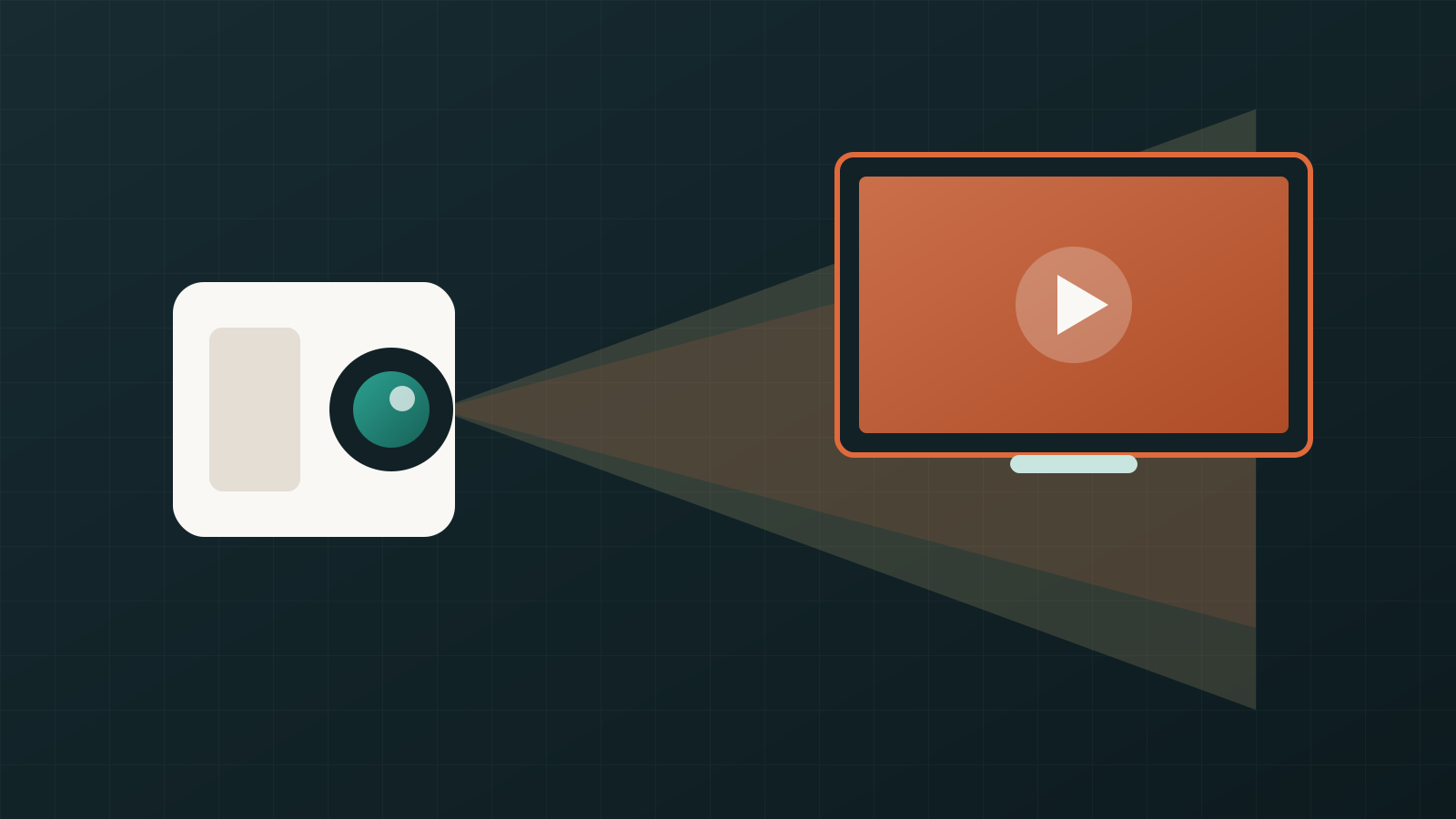
Portable 4K triple-laser projector vs 65-inch OLED TV compared honestly for daytime brightness, black levels, apartment portability, and gaming.
In this article
Modern triple-laser gimbal projectors have erased almost every old-school annoyance of home projection. They boot in five seconds, auto-focus and square up the image automatically on any wall, include built-in Google TV and punchy Harman/JBL speakers, and last 25,000 hours without ever needing a replacement bulb.
Yet physics still has the final vote: a projector can only add light to a wall—it can never project pure black onto a sunlit room. If you have $1,400 to $1,700 set aside for your living room centerpiece, here is an honest comparison so you pick the screen you will love every night.
Side-by-Side Comparison: Portable 4K Laser vs 65-Inch OLED
| Model / Option | Best For | Key Verified Specs | Typical Price Range | Key Trade-off | Check Price |
|---|---|---|---|---|---|
| Portable 4K Triple-Laser Projector | Evening movie nights, renters, minimalists & bedrooms | 80 to 130-inch scalable screen size1,800–2,600 true ISO lumens + built-in JBL/Harman audioAuto-gimbal stand; packs into a carry case when moving | $1,199 – $1,699 | + Unbeatable 110-inch cinema immersion in dark roomsZero wall mounting—renter-friendly and hides away completely by dayCan project onto bedroom ceilings or backyard screens − Blacks wash out to pale gray in sunlit daytime living roomsDigital keystone correction slightly lowers native resolution | Check on Amazon |
| 65-Inch 4K OLED TV | Everyday daytime viewing, live sports & serious gaming | Infinite pixel-level contrast & true HDR specular highlights4× HDMI 2.1 ports (4K 120Hz/144Hz VRR, <6ms lag)Crisp, vibrant visibility even with afternoon window glare | $1,399 – $1,699 | + Far superior HDR punch, black levels, and daytime clarityElite PS5 / Xbox / PC gaming responsivenessZero fan noise and instant 1-second power-on − Fixed 65-inch size; heavy and fragile to move between apartments | Check on Amazon |
Understanding Ambient Light: The Make-or-Break Room Test
Before buying a projector, stand in your living room at 4:00 p.m. on a sunny Saturday and look at the wall you plan to project onto:
- If direct sunlight washes across that wall and you don’t want heavy blackout curtains, stop right there and buy the OLED TV. Even a 2,600-lumen triple-laser projector will look flat and hazy against midday glare.
- If you primarily watch films and Prestige TV after 8:00 p.m., or you have good roller blackout shades, a 110-inch laser image creates a genuine theatrical thrill that a 65-inch TV simply cannot match in sheer scale (a 110-inch screen has nearly 3× the surface area of a 65-inch TV!).
Decoding Projector Marketing Myths
- ISO / ANSI Lumens vs “Light Source Lumens”: Only trust standardized ISO or ANSI lumens. Cheap online projectors boasting “18,000 Lumens!” are measuring raw LED output inside the box—often delivering under 300 real ANSI lumens on the wall.
- Optical Zoom Beats Digital Keystone: Every time you tilt a projector sharply from the side and rely on auto-keystone to square the rectangle, you discard pixels and leave a faint gray light border around the picture. Place the gimbal straight-on whenever possible.
✓ What We Like (Pros)
- Triple-laser projectors pack 110+ inches of cinema into a 5 kg cube you can take when you move apartments
- OLED TVs deliver true reference-grade HDR contrast, effortless daytime brightness, and 120Hz VRR gaming
- Laser light engines eliminate $200 replacement lamps and warm-up delays forever
✕ What to Watch Out For (Cons)
- Projectors demand room-light control and a blank wall or screen space
- 65-inch OLEDs are bulky to transport and permanently dominate minimalist living room decor
Final Verdict
- Buy the 65-Inch OLED TV (LG C4/C5) if you watch daytime TV, follow live sports, play competitive console/PC games, or want zero-compromise HDR picture quality with the lights on.
- Buy the Portable 4K Triple-Laser Projector (Hisense C2 / XGIMI Horizon S Pro) if you rent, move frequently, value clean clutter-free walls by day, and reserve your viewing for dark-room evening cinema at 100+ inches.
Frequently Asked Questions
Can a portable 4K laser projector replace a living room TV during the day?
Only if you install blackout curtains or a specialized Ambient Light Rejecting (ALR) screen. In a bright sunlit living room with sheer drapes, an OLED or Mini-LED TV will look dramatically punchier and deeper.
How many ISO/ANSI lumens does a good portable 4K projector need?
For a crisp 100-inch image in a dimly lit room, look for at least 1,500 to 2,200 true ISO/ANSI lumens. Ignore inflated 'light source lumens' or '15,000 lux' claims on generic budget listings.
Is gaming input lag noticeable on modern laser projectors?
Mid-range and flagship 2026 laser projectors with dedicated Game Mode achieve 15ms to 22ms input lag at 4K 60Hz—great for single-player story games, though competitive 120Hz shooters still belong on an OLED TV.
Do I need a dedicated projector screen, or is a white painted wall good enough?
A smooth matte white or light-gray wall works surprisingly well in a dark room for casual movie nights. Upgrading to a tensioned matte-gray ALR screen improves perceived black levels and color contrast by 30% to 40%.
How long do triple-laser light sources last compared to old projector bulbs?
Modern RGB triple-laser light engines are rated for 20,000 to 25,000 hours—meaning 4 hours of daily movie watching for over 15 years with zero $200 bulb replacements.
Are OLED TVs still at risk of permanent burn-in in 2026?
Modern LG and Samsung OLED panels include heat-dissipating layers, pixel-shift, and automatic standby refresh cycles that make burn-in rare for mixed movies, TV, and gaming—just avoid leaving static news tickers running 10 hours every day.